
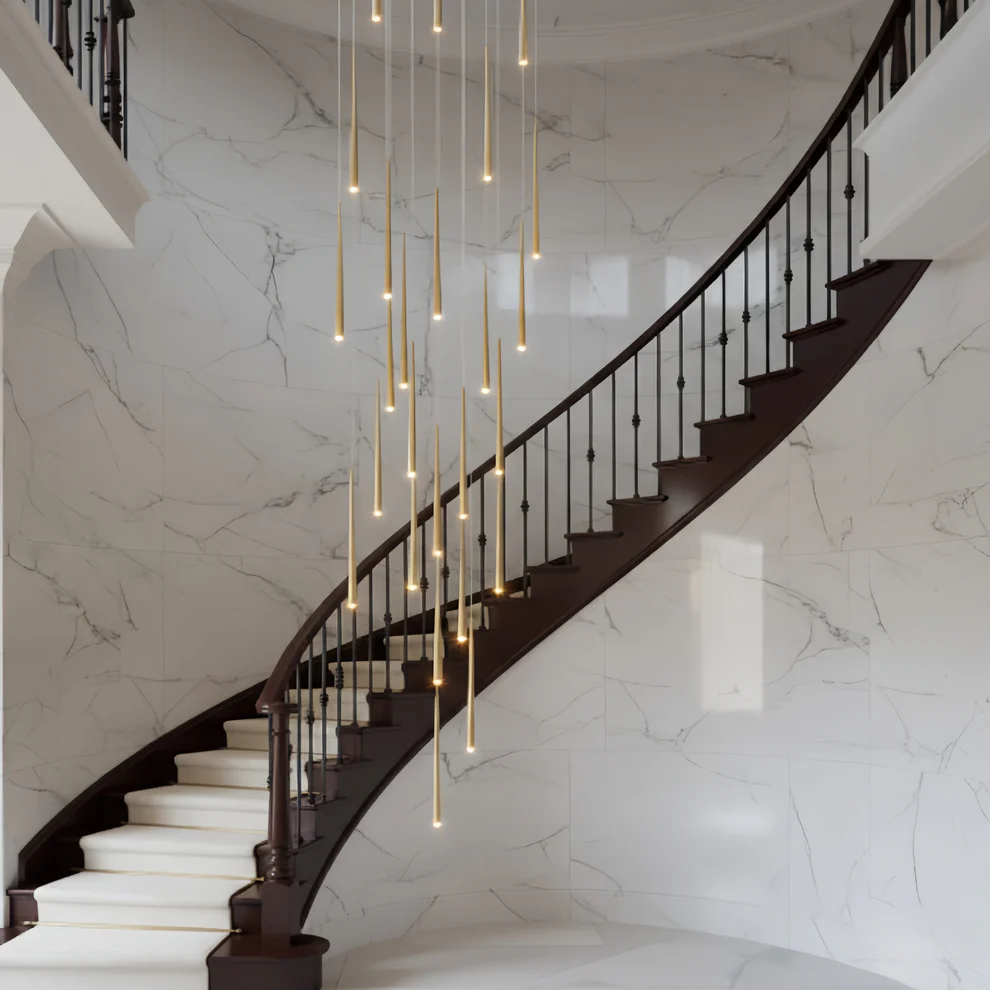
Image Source: LIGHTSLUX
The best entryway light fixture for your home depends on your space's dimensions, ceiling height, and personal style. According to a 2026 survey by the American Lighting Association, upgrading entryway lighting with properly scaled fixtures and smart LED bulbs can reduce energy consumption by up to 40% while significantly boosting a home's first impression.
"Your entryway is the handshake of your home," says Sarah Jenkins, an award-winning interior designer. "Choosing the right fixture sets the emotional tone for the entire house."
When you walk into your home after a long day, your entryway lighting affects how the entire space feels. A dim fixture can make the area feel smaller and colder, while the right chandelier or pendant creates warmth, balance, and better visibility the moment you open the door.
Whether you are considering chandeliers, pendant lights, or wall sconces, selecting the correct size, material, and smart-home compatibility will transform your entryway into a welcoming, well-balanced space.
Key Takeaways
-
Measure your entryway before buying a fixture. A light that is too small can make your ceiling feel empty, while an oversized chandelier may overwhelm the space and reduce visual balance.
-
Choose LED bulbs with warm color temperatures between 2700K and 3000K if you want your entryway to feel comfortable and inviting while lowering long-term electricity costs.
-
Use energy-saving LED bulbs to save money. They also give bright and even light.
-
Choose a light fixture style that matches your home’s look. This makes your entryway feel warm and put together.
-
Think about easy cleaning and safety when picking your light fixtures. These things are important for your home.
Types of Entryway Light Fixtures
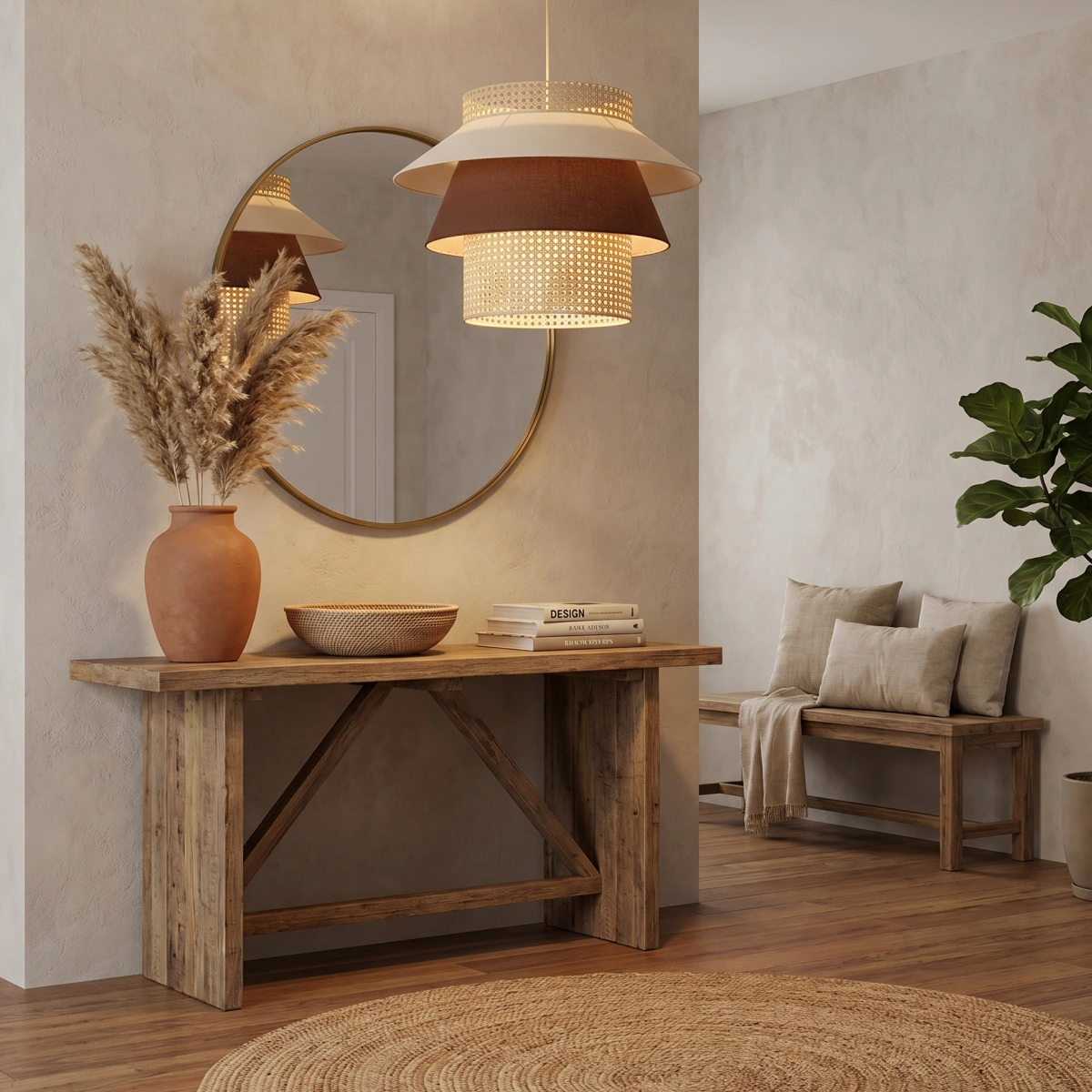
Image Source: LIGHTSLUX
Quick Comparison: Pros, Cons, and Ideal Spaces
Before diving into the details, here is a quick guide to help you compare the main types of entryway fixtures:
|
Fixture Type |
Best For... |
Pros |
Cons |
|
Chandelier |
Tall ceilings (10+ ft), large foyers |
Creates a stunning focal point; provides wide, ambient light. |
Harder to clean; requires high ceilings for clearance. |
|
Pendant |
Standard ceilings (9-10 ft), reading nooks |
Versatile styles; great for targeted, layered lighting. |
Can feel underwhelming in massive, two-story spaces. |
|
Ceiling Light |
Low ceilings (Under 9 ft), narrow halls |
Space-saving; easy to maintain; safe for high-traffic areas. |
Less dramatic visual impact than hanging fixtures. |
Chandelier Overview
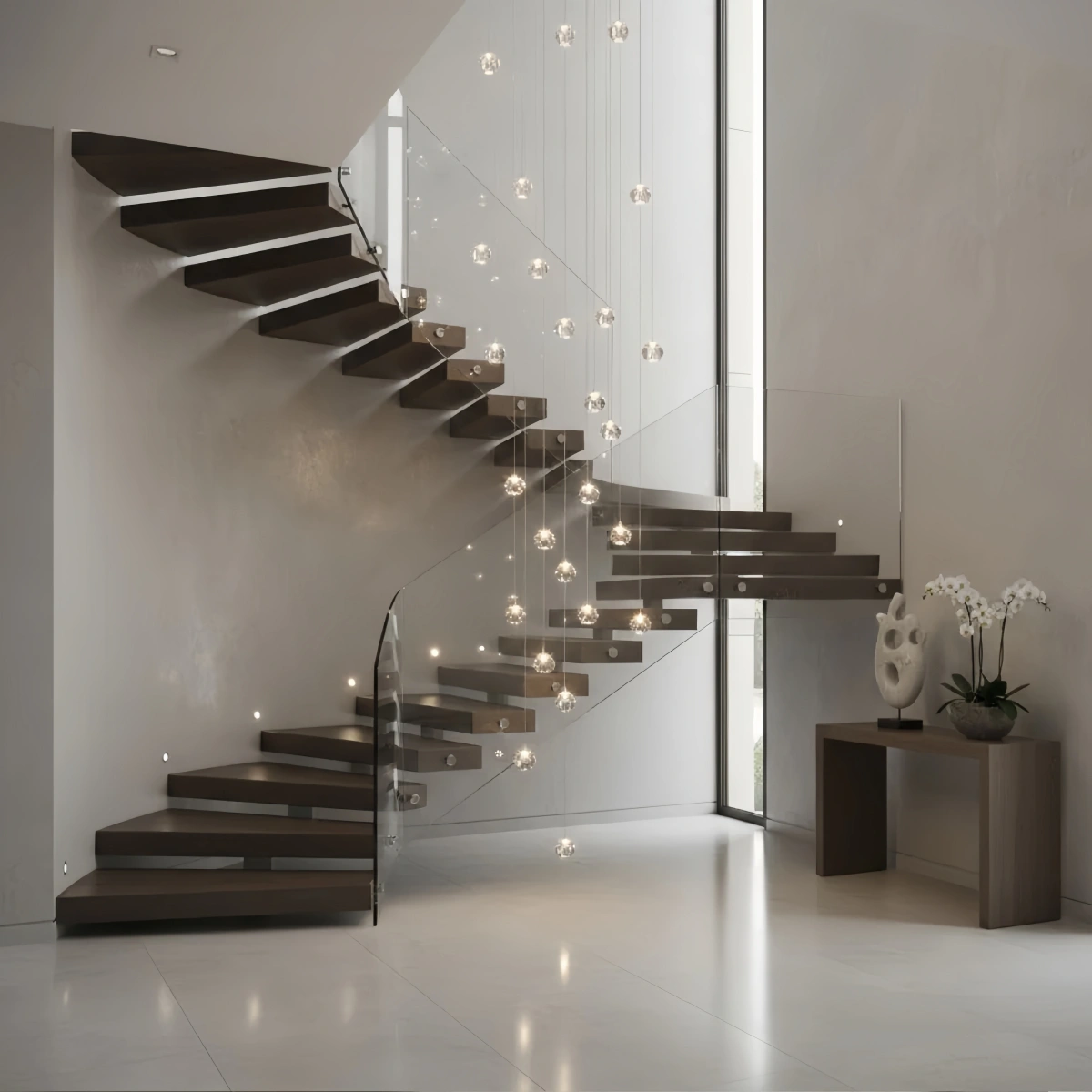
Image Source: LIGHTSLUX
A chandelier adds style and excitement to your entryway. It works best in places with tall ceilings, like over 10 feet. Big entryways and two-story foyers look great with chandeliers. They fill up the space and grab attention.
In many two-story homes, homeowners notice that the entryway feels colder and less connected before installing a larger chandelier. A properly sized fixture can visually lower the empty ceiling space and make the foyer feel warmer and more balanced.
If your entryway feels empty or visually disconnected because of a tall ceiling, a chandelier can help balance the vertical space and make the area feel more intentional. In two-story foyers, larger chandeliers also create a stronger first impression when guests walk through the door.
Chandeliers set the mood right when you walk in. Glass chandeliers let light shine through and spread it well. They make soft light and turn your entryway into a cool mix of light and shadow.
One common mistake is choosing a chandelier that is too small for the ceiling height. Small fixtures often disappear visually in large entryways and fail to provide enough ambient light.
Tip: Pick a chandelier with glass parts if you want more style and brighter light.
Pendant Overview
A pendant gives you choices and looks nice. You can put a pendant in smaller entryways or spots that need extra light. Pendants are good above a reading corner or a kitchen island. In smaller homes or apartments, a single pendant light can make your entryway feel more intentional without taking up too much visual space. They fit entryways with normal ceiling heights and help you aim light where you want. If you live in a smaller home or apartment, a pendant light can make your entryway feel more styled without overwhelming the space. Single pendants work especially well in narrow entryways where large chandeliers may feel too heavy visually.
A common mistake is hanging pendant lights too low. If the fixture blocks sightlines or feels too close to eye level, your entryway can quickly feel cramped instead of open.
Ceiling Light Overview
If your ceiling is under 8 feet, a flush-mount ceiling light usually gives you better head clearance and a cleaner overall appearance than a hanging fixture.
Ceiling lights are useful for entryways with low or regular ceilings. You can use them in apartments, narrow halls, or places with little space. Ceiling lights give enough light without making the area too bright. Glass ceiling lights spread light evenly and look classy. They make soft light and help your entryway feel open and friendly.
If your ceiling is under 8 feet high, a flush-mount ceiling light usually creates a cleaner and safer layout than a hanging fixture. This is especially helpful in smaller entryways where every inch of visual space matters.
Many homeowners choose oversized hanging fixtures for low ceilings, but this often makes the entryway feel tighter and less comfortable to walk through.
Note: Glass ceiling lights help spread light well and give a neat, modern style.
Entryway light fixtures come in many shapes and sizes. You can pick a chandelier, pendant, or ceiling light based on your entryway’s size, ceiling height, and how you want it to look.
How to Choose the Right Entryway Light Fixture
Size & Proportion
Picking the right size light fixture helps your entryway look nice and balanced. First, measure how wide and long your entryway is in feet. Add those numbers together. That number tells you how big your chandelier should be in inches. This guide helps you avoid picking a fixture that is too small or too big.
-
Fixture Diameter: Entryway length + width in feet = fixture diameter in inches (e.g., 8 ft long + 6 ft wide = 14 inches wide).
-
Clearance: Always keep at least 7 feet from the bottom of the fixture to the floor.
-
Fixture Height: Allow about 2.5 to 3 inches of fixture height for every foot of ceiling height.
For example, if your entryway measures 8 feet by 10 feet, a fixture around 18 inches wide usually creates a balanced look without overpowering the space.
Choosing the wrong size is one of the most common entryway lighting mistakes. Fixtures that are too small often make tall ceilings feel unfinished, while oversized fixtures can make narrow entryways feel crowded.
Tip: Make sure there are at least 7 feet between the bottom of your pendant or chandelier and the floor to keep people safe. If your ceiling is higher, you can choose a taller fixture by adding 3 inches to the fixture's height for every extra foot of ceiling.
Lighting Output & Brightness
You want your entryway to be bright and safe. For a small entryway, aim for 800-1200 lumens to ensure proper visibility. Large or two-story entryways may need 1500-3000 lumens to properly fill the space. Warm light makes your entryway feel cozy and friendly. Cool light feels sharper but not as welcoming. Choose warm light for a nice entryway. For most homes, bulbs between 2700K and 3000K create a softer and more welcoming atmosphere than cooler daylight bulbs. Glass shades can help spread this light evenly, and using LED bulbs ensures you get the brightness you need while saving energy.
Design & Style
The look of your light fixture sets the mood for your home. Hanging lights make low ceilings seem taller. In a big foyer, a group of pendants or a bold chandelier adds drama and balance. The style of your fixture shows your personality and makes a strong first impression. Interior designers in 2026 continue to favor warm brass finishes, natural wood accents, textured glass, and oversized sculptural lighting because these materials create a softer and more personalized entryway design.
Installation & Maintenance
Good installation keeps your ceiling light safe and working well. Hang fixtures high enough so they do not hit doors or furniture. In two-story entryways, center the fixture with windows and do not hang it below the second floor. Pick strong materials like stainless steel or treated aluminum for long-lasting results.
|
Maintenance Practice |
Description |
|
Remove dust and dirt to help your fixture work better and last longer. |
|
|
Check and Replace Burnt-out Bulbs |
Change bulbs often to stop electrical problems. |
|
Conduct Electrical Inspections |
Look at wiring and fix old parts to stay safe. |
|
Use Correct Wattage |
Use the right wattage so your fixture does not get too hot. |
Note: Energy-efficient options like LEDs use much less energy and last longer than regular bulbs. They save you money and help the environment.
If your entryway fixture is installed above a staircase or in a two-story foyer, professional installation is usually safer than attempting the wiring yourself.
Best Entryway Light Fixtures for Different Spaces
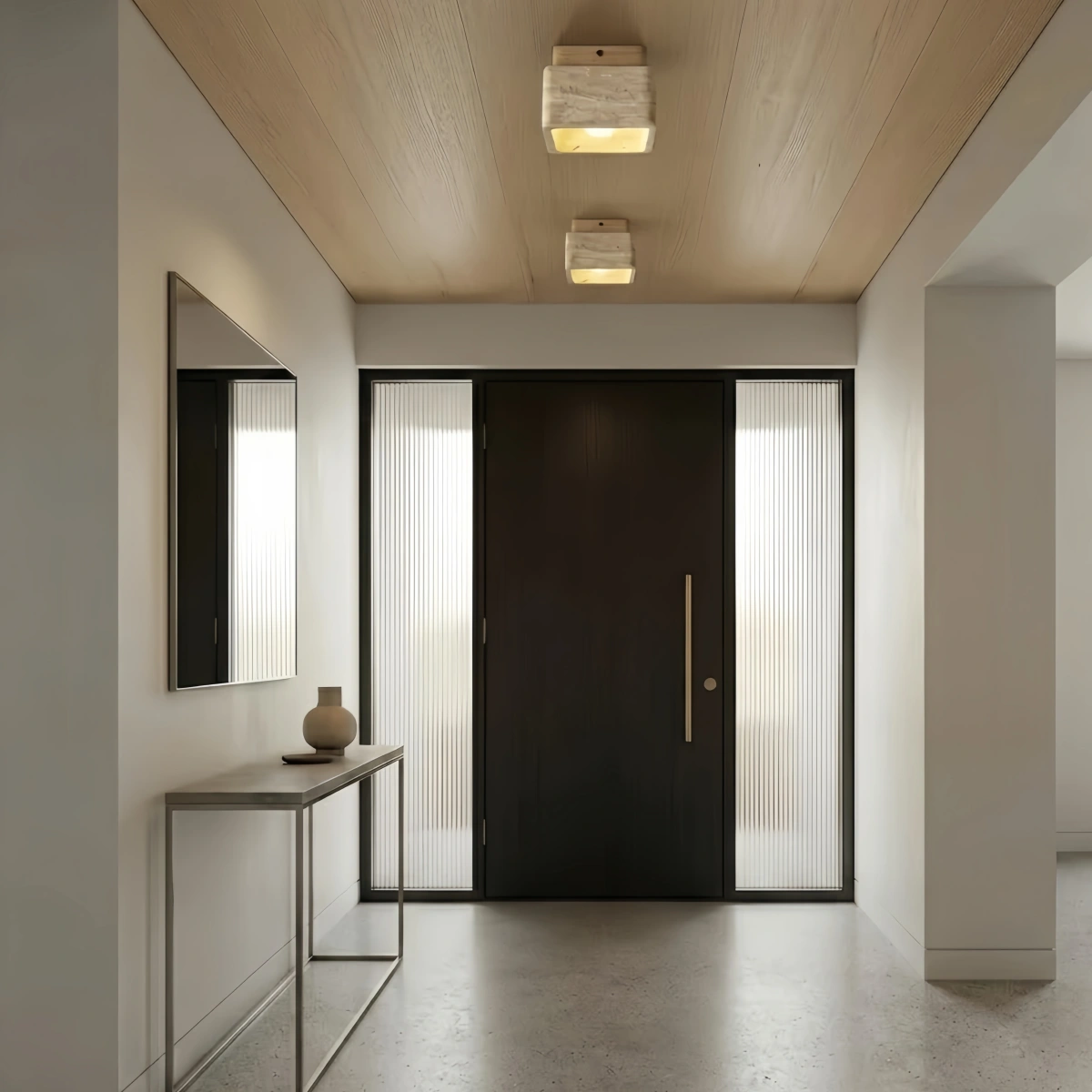
Image Source: LIGHTSLUX
Apartment Entryways
Apartment entryways often have limited floor and ceiling space, making compact fixtures the best choice. Flush and semi-flush ceiling lights provide useful ambient lighting without overwhelming the room, while a compact pendant can add visual interest when ceiling height allows. Warm-white LED bulbs can keep the space bright without making it feel harsh.
Narrow Hallways
Narrow hallways benefit from fixtures that keep the walking path clear. Recessed lighting provides even overhead illumination, while slim wall sconces can add decorative light without taking up floor or table space. Avoid deep or oversized hanging fixtures that can make a narrow hallway feel more confined.
Two-Story Entryways
Two-story foyers are ideal for statement chandeliers and large pendant fixtures that visually connect the lower and upper levels. Choose the fixture according to the scale of the foyer rather than simply selecting the largest available design. Recessed lighting can also be added around the main fixture to improve overall illumination and reduce shadows.
-
Contemporary chandelier: Linear tubes in brushed gold for minimalist foyers.
-
Multi-tiered crystal chandelier: Perfect for traditional spaces.
-
Modern crystal light fixture: Sculptural design for statement foyers.
-
Recessed ceiling light fixtures: Clean look and extra brightness.
Small Dark Entryways
Small, dark entryways often benefit from layered lighting rather than one oversized fixture. A compact ceiling light or pendant can provide ambient illumination, while recessed lights, wall sconces, or adjustable lighting can brighten darker areas and make the space feel more open.
-
Recessed ceiling light fixtures save space and look modern.
-
Wall washers give soft, spread-out light.
-
Adjustable track lighting lets you aim light where you want.
Open-Concept Homes
In an open-concept home, the entryway fixture can act as a visual anchor between the entrance and adjacent living spaces. A statement chandelier or sculptural pendant works particularly well when its materials or finishes echo details used elsewhere in the home.
Best Entryway Lighting by Interior Style
Your entryway lighting should complement the overall design language of your home. The fixture does not need to match every finish exactly, but its shape, material, and scale should feel intentional within the space.
Modern Entryways
Modern entryways pair well with clean-lined pendants, sculptural LED fixtures, geometric chandeliers, and finishes such as matte black, chrome, and simple metal. Choose streamlined forms that reinforce the architecture without adding unnecessary visual detail.
Modern Luxury Entryways
Modern luxury interiors can support more decorative statement pieces, including crystal chandeliers, glass fixtures, polished metals, and warm brass. Larger entryways can benefit from an oversized fixture that becomes a focal point as soon as guests enter the home.
Traditional Entryways
Traditional entryways work well with multi-tier chandeliers, classic glass shades, bronze, brass, and decorative silhouettes. Look for fixtures that complement architectural details such as molding, wood floors, and traditional furniture.
Farmhouse Entryways
Farmhouse entryways often pair naturally with lantern-style fixtures, black metal, wood accents, and textured or clear glass. These materials add warmth while maintaining the relaxed character of the space.
Mid-Century Modern Entryways
Mid-century modern interiors are well suited to globe pendants, opal glass, brass accents, and simple geometric forms. A fixture with a strong silhouette can add personality while remaining consistent with the clean lines of the style.
How to Layer Entryway Lighting
A single fixture may be enough for a small entryway, but larger or darker spaces often benefit from layered lighting. Combining ambient, accent, and decorative lighting can improve visibility while adding depth and atmosphere.
Ambient Lighting
The main fixture—such as a chandelier, pendant, flush mount, or recessed light—provides the primary illumination for the entryway.
Accent Lighting
Wall sconces, picture lights, and wall washers can highlight mirrors, artwork, architectural details, or darker areas of the space.
Decorative Lighting
A console lamp or small accent fixture can add another layer of warmth, particularly in larger entryways where one overhead fixture may feel visually isolated.
FAQ
What is the best light fixture for a small entryway?
You should choose a flush mount or compact pendant. These fixtures save space and provide enough light. Glass designs help brighten your entryway and add style.
How high should you hang a chandelier in your entryway?
You need at least 7 feet between the bottom of the chandelier and the floor. For higher ceilings, add 3 inches for each extra foot. This keeps your entryway safe and stylish.
Can you use LED bulbs in entryway fixtures?
You can use LED bulbs in most entryway fixtures. LED bulbs save energy and last longer. They also provide bright, even light for your entryway.
How do you clean entryway light fixtures?
Tip: Turn off the power before cleaning. Use a soft cloth to wipe glass and metal parts. Clean fixtures regularly to keep them bright and safe.
What color temperature is best for entryway lighting?
Warm white bulbs between 2700K and 3000K are usually the best choice for entryways. They create a softer and more welcoming atmosphere than cooler daylight bulbs, which can sometimes feel too harsh in residential spaces.
Can you mix metal finishes in entryway lighting?
Yes. Mixing metal finishes can make your entryway feel more layered and modern when done carefully. For example, warm brass fixtures often pair well with matte black hardware or wood accents. Try to keep one finish dominant so the space still feels balanced.
Share:
Kitchen Island Made Simple: 3 Foolproof Ways to Pick the Perfect Fit
How to Add Mid Century Modern Lighting to Any Room